Belonging first
A learning community takes shape
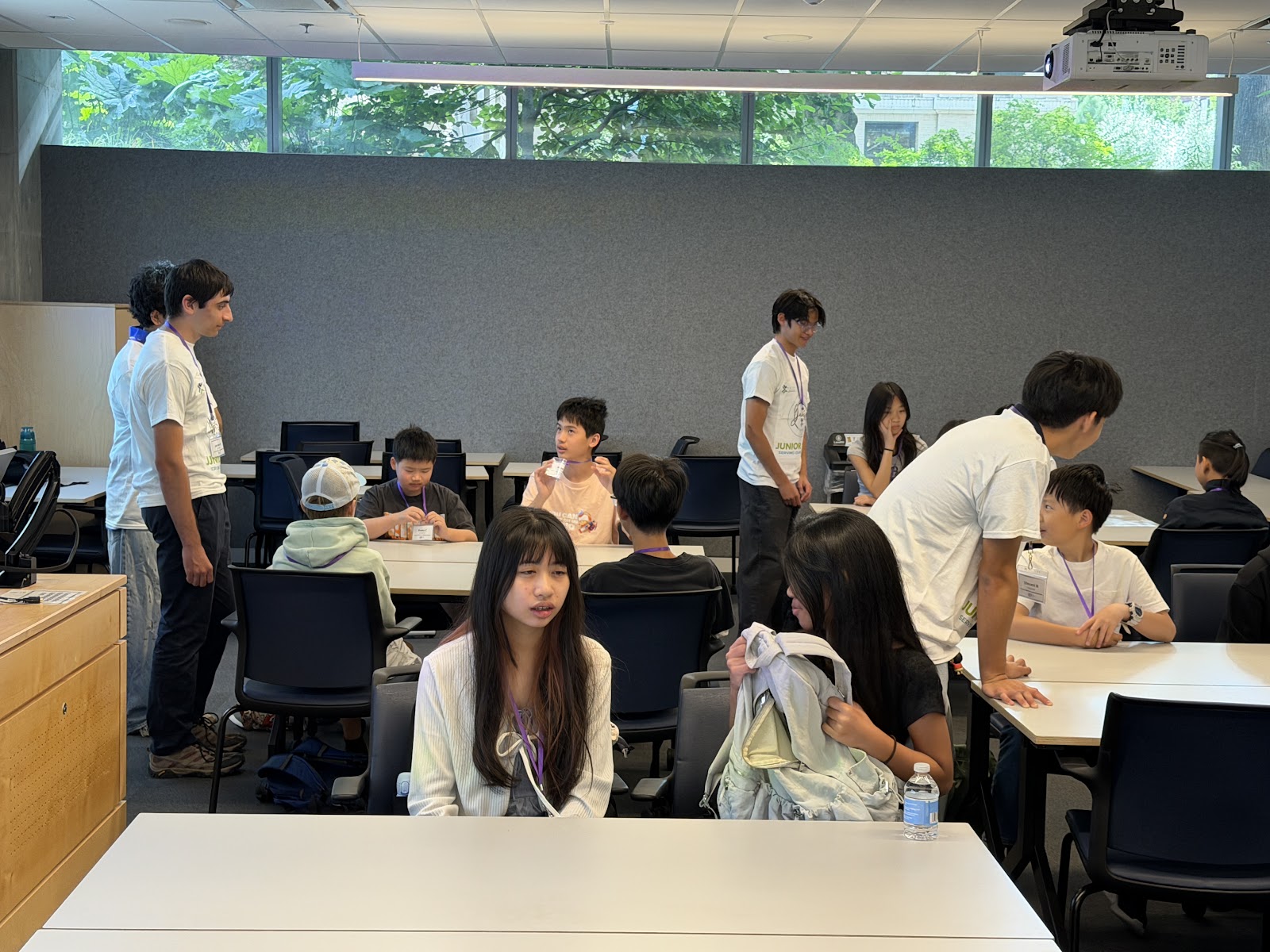
Mentors created a clear, welcoming structure where students could ask questions, try unfamiliar tasks, and gradually become comfortable with one another.
Camp outcomes / July 27-31, 2026 / University of Washington
This first Junior NATEA Robotics, CS & AI Summer Program was designed and delivered with high-school organizers and mentors from Seattle and Silicon Valley. LEGO was the medium; collaboration, communication, ownership, and confidence were the lasting outcomes.
What was completed
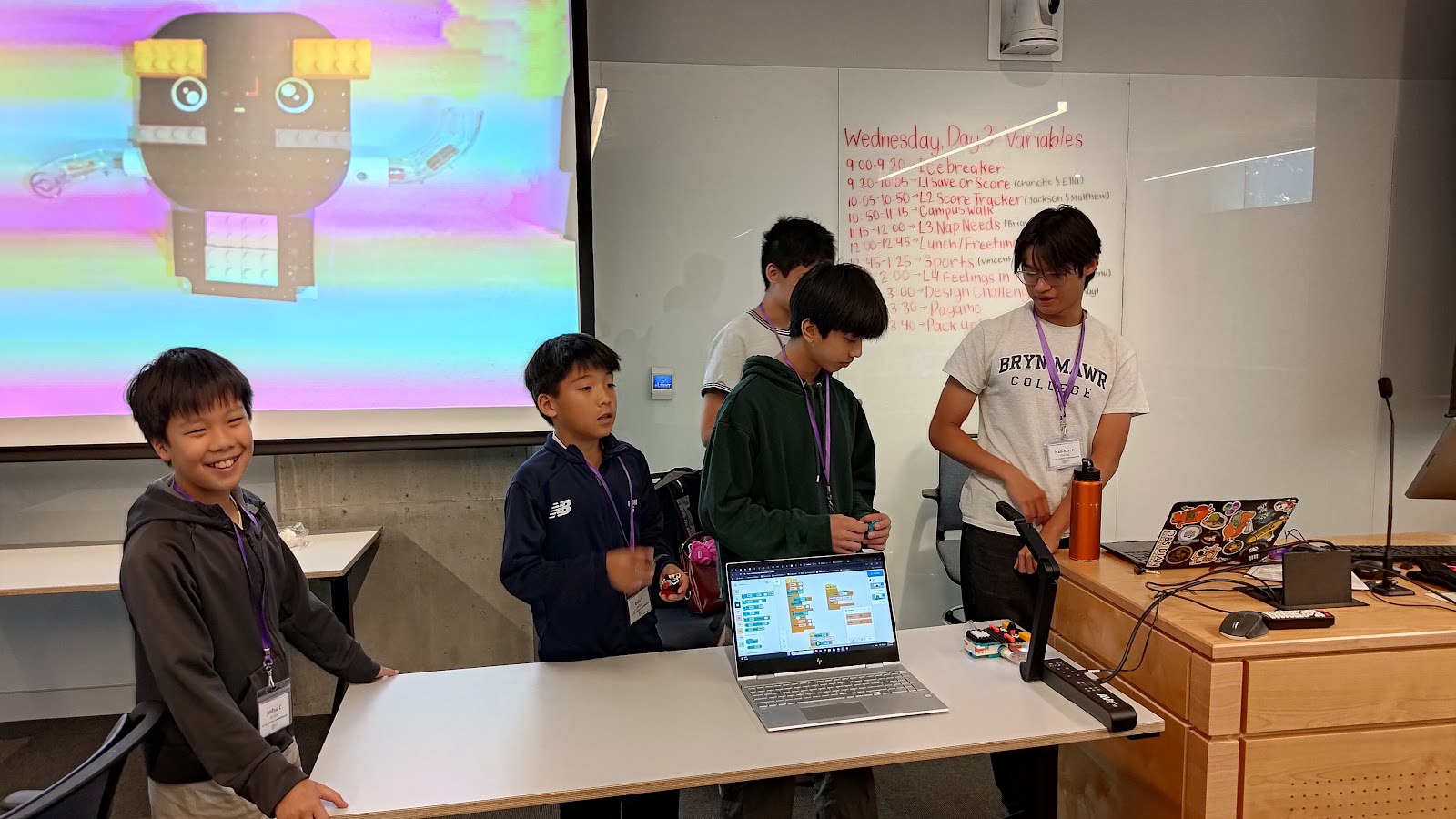
Across five days, students learned loops, compound conditions, debugging, robotics design, and introductory AI concepts through hands-on challenges. Teams designed interactive LEGO creations, tested and revised their programs, and presented the design idea, code logic, problems encountered, and final demo.
When a live demonstration went off script, students began helping one another recover. Teen mentors offered timely prompts while leaving the stage to the younger students, a visible sign that technical learning and team confidence had developed together.
Learning in action
Mentors created a clear, welcoming structure where students could ask questions, try unfamiliar tasks, and gradually become comfortable with one another.
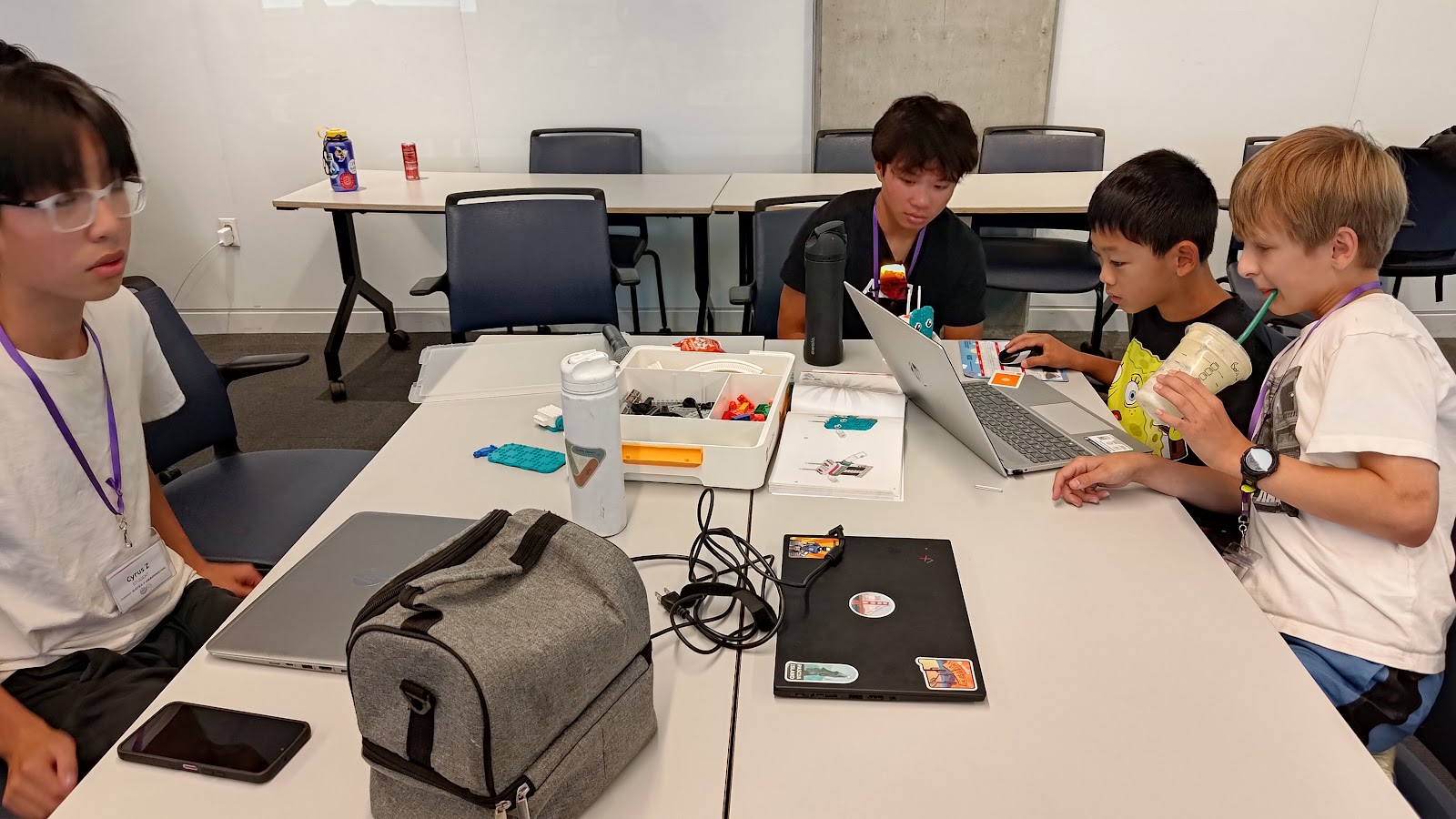
Mentors stayed close enough to notice frustration and ask the next useful question, while students kept ownership of the code, construction, and decisions.
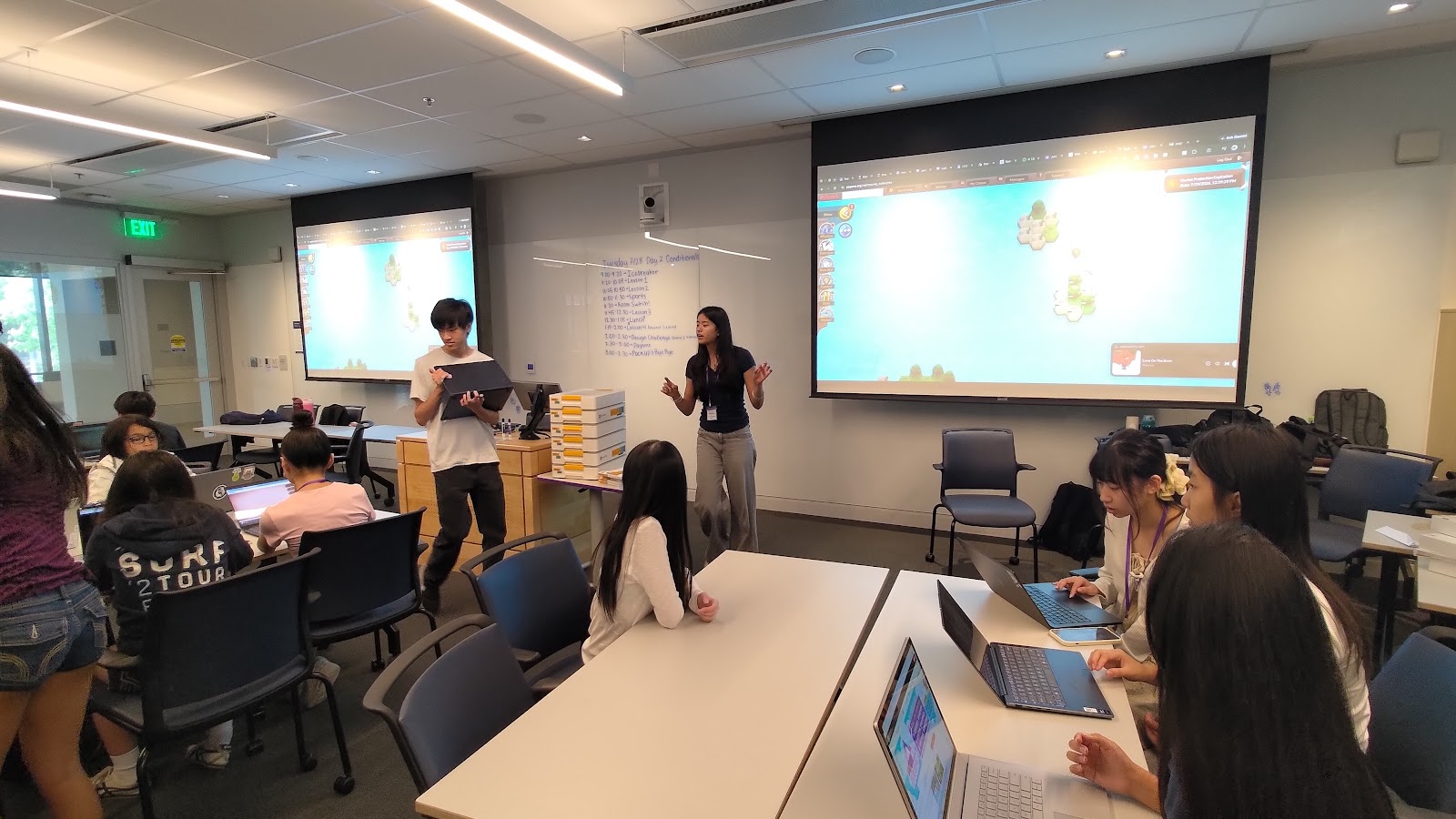
Student and parent feedback was reviewed daily. The team adjusted pacing, challenge, group interaction, and support instead of treating discomfort as failure.
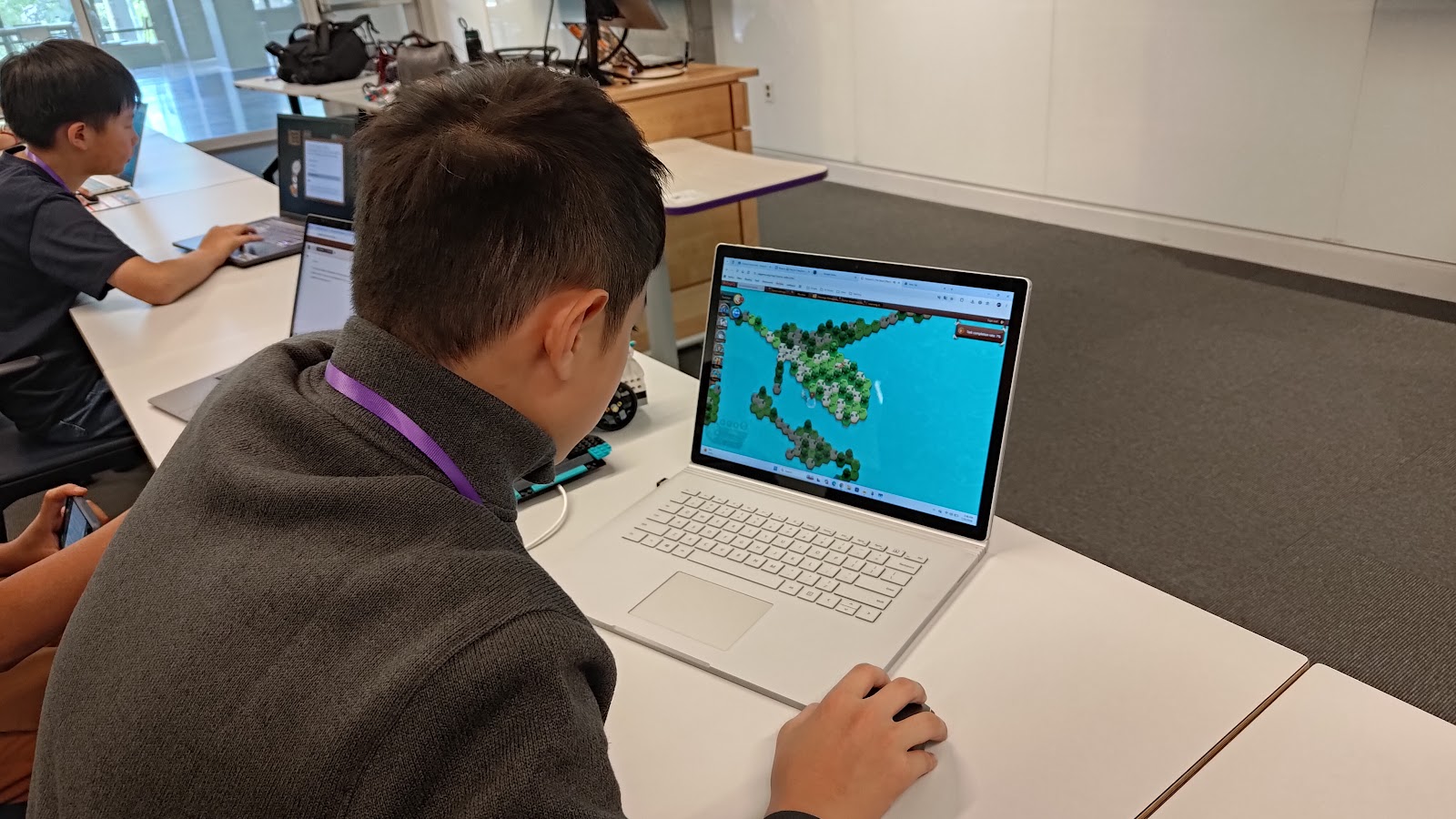
PaGamO turned daily checks for understanding into an engaging close, while giving the teaching team evidence about what to revisit the following morning.
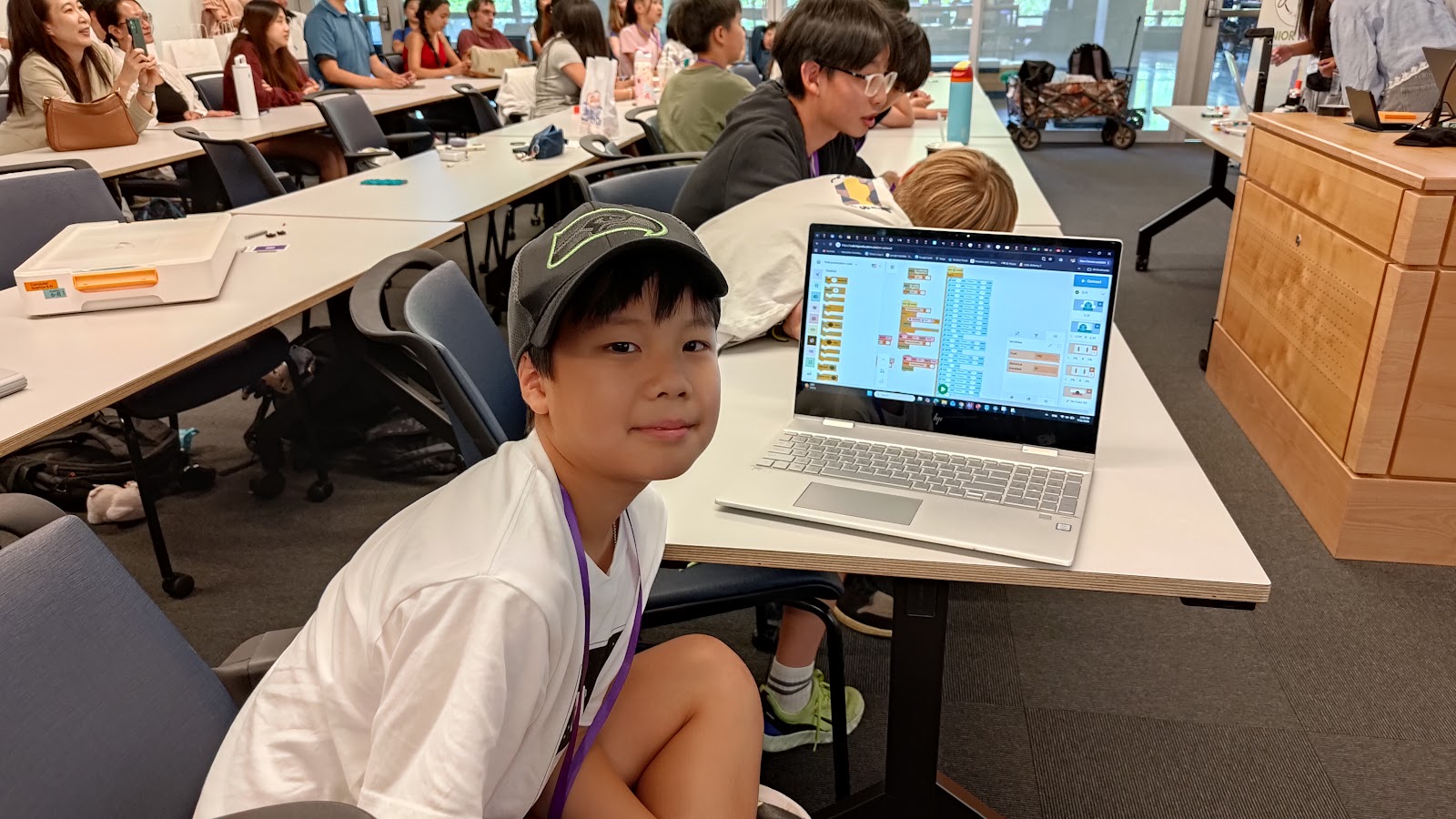
The final artifact was more than a LEGO model. Students could connect the program on screen to the behavior they designed, tested, revised, and demonstrated.
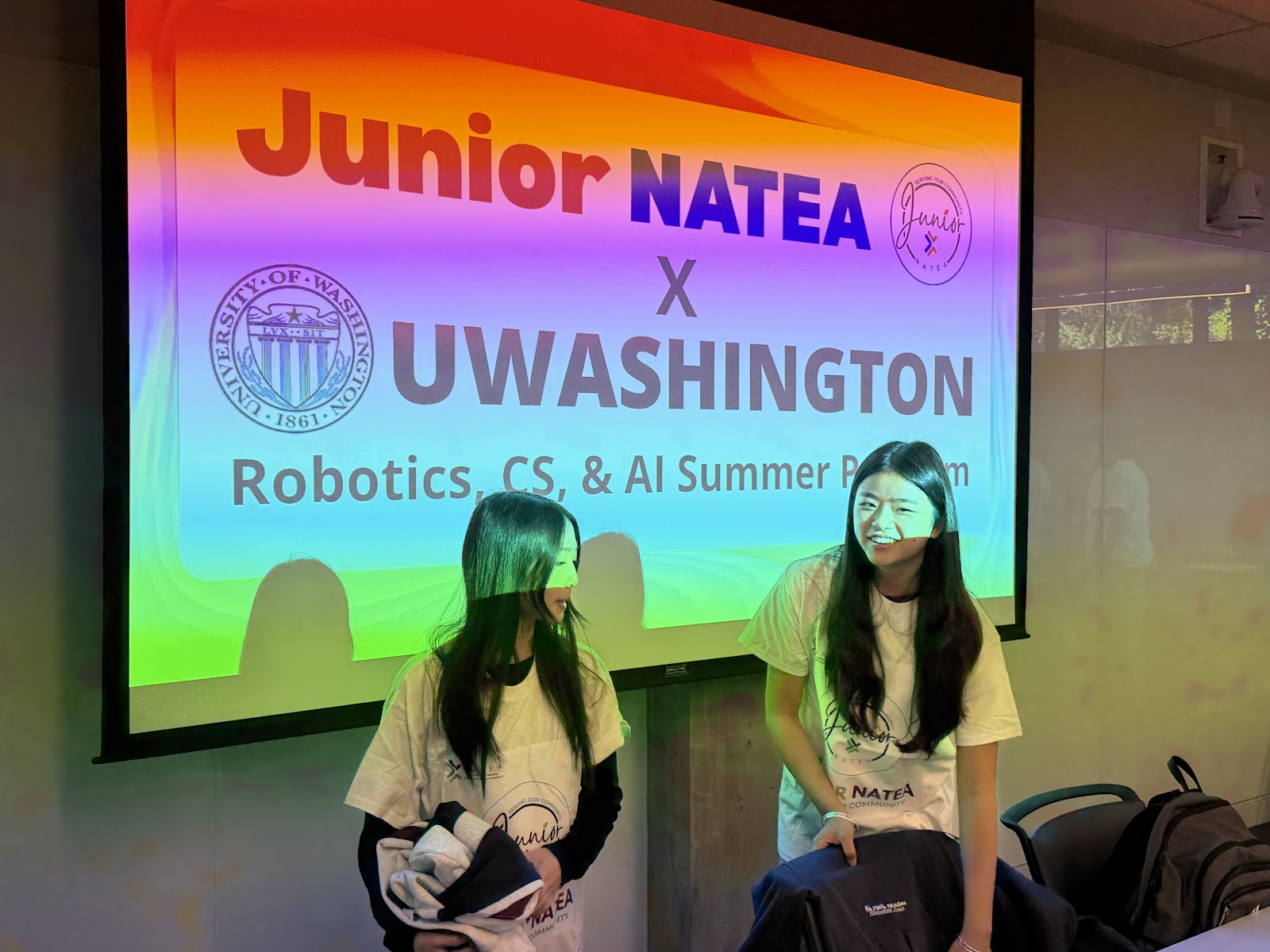
High-school organizers did more than deliver lessons. They created the energy, relationships, and shared expectations that helped the camp become a community.
Leadership outcome
The high-school team handled teaching, mentoring, materials, registration, communication, budgeting, platform setup, and daily adjustments. As their ownership grew, the adult advisor stepped back, available when needed, but no longer directing every decision.
By the final day, younger students stood at the front while mentors watched with pride from the side. Asked whether they wanted to run a second program, the youth team answered without hesitation: “Of course.” The deepest outcome was not simply finishing a camp; it was young people discovering that they could lead others and wanted to do it again.
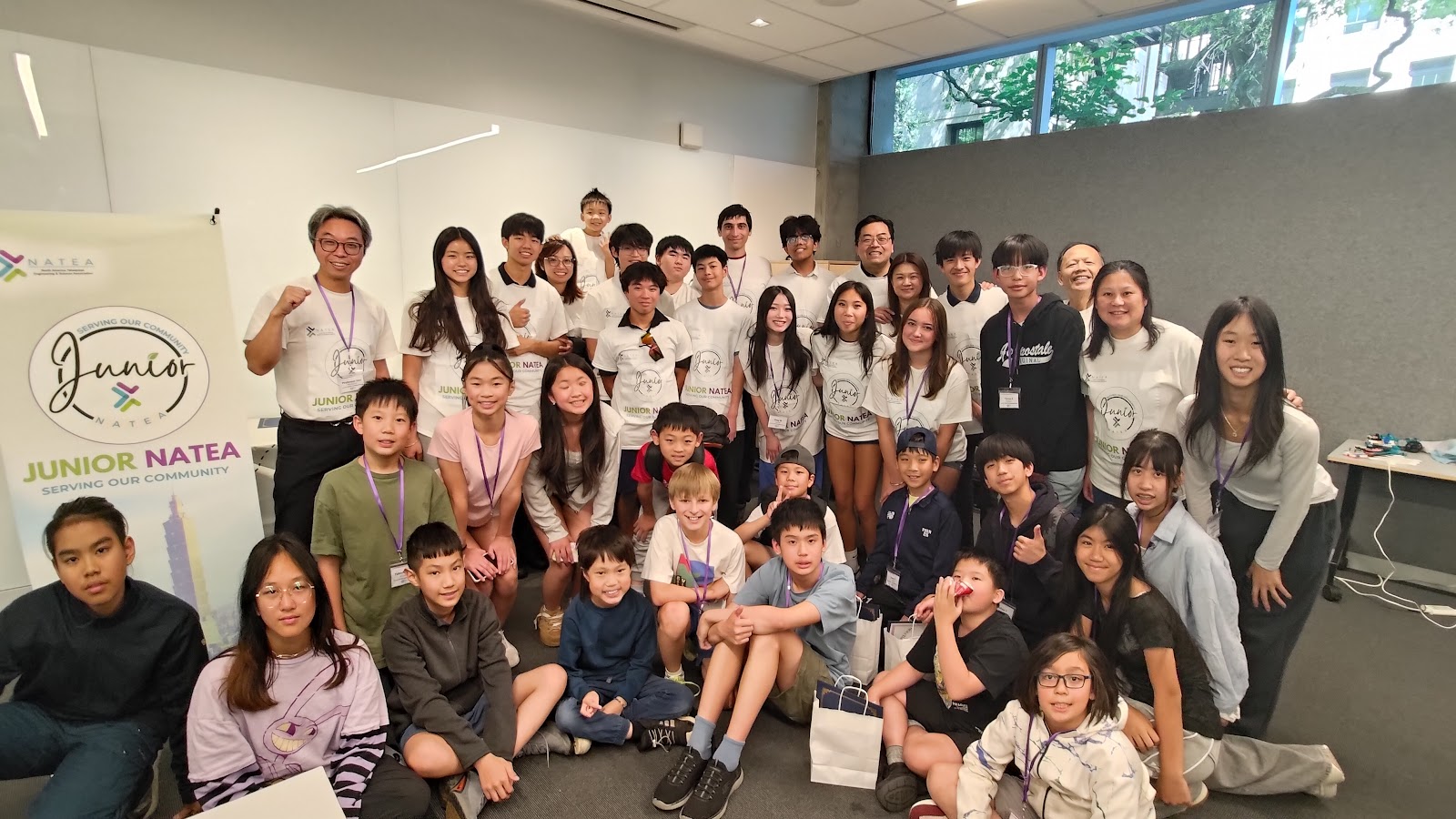
Made together
Thank you to the students who kept trying; the teen mentors and instructors who taught, listened, and adapted; the families who trusted a first-year program and shared honest feedback; and the organizers and partners whose administrative and technical work held the experience together.