Applied AI / learning systems / responsible digital transformation

Translating AI research into learning systems, institutional workflows, and responsible public programs.

I am Yun-Cheng Tsai, Ph.D., an AI and machine learning scholar based in the Seattle area. My work sits between AI research, university teaching, learning analytics, explainable decision support, and public AI education.

I am less interested in AI as spectacle than in systems people can understand, teach, govern, and improve. Across university appointments and applied projects, I have focused on helping institutions move from AI concepts to rigorous, interpretable, and socially useful implementation.

Beginning July 2026, I serve as Seattle Regional Consultant & Local Implementation Lead for Future Intelligence Hub Seattle, by invitation of the Global ESG Leadership Organization.
Academic Background Associate Professor, University Faculty, Research Fellow
Seattle Role Future Intelligence Hub Seattle / Regional Consultant & Local Implementation Lead
Core Domains AI/ML, Learning Analytics, Explainable AI, Generative AI Education

Professional profile

An AI scholar who works at the bridge between research, teaching, and institutional implementation.

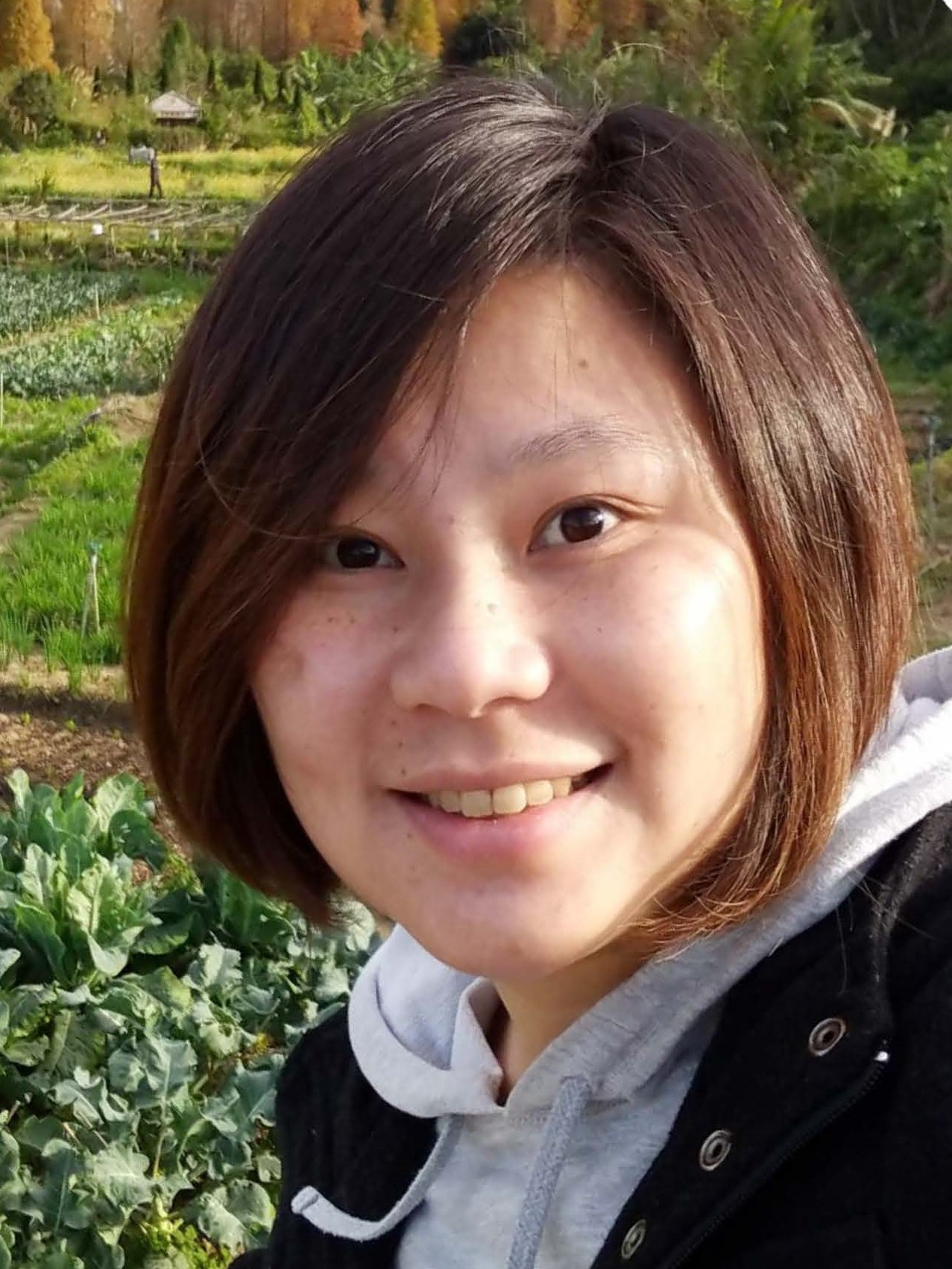
Portrait of Yun-Cheng Tsai

My career has moved across computer science, financial technology, quantitative modeling, university teaching, and educational innovation. I bring a builder's mindset to AI: the work is not complete when a model runs, but when people can understand its assumptions, evaluate its limitations, and apply it responsibly in real contexts.

This perspective shapes my teaching and public work. I design AI learning experiences for students, educators, professionals, and organizations that need more than surface-level tool use. The goal is durable capacity: people who can reason with data, build with AI, explain decisions, and use intelligent systems with judgment.

Current public role

Seattle Regional Consultant & Local Implementation Lead.

Beginning July 2026

Future Intelligence Hub Seattle

I serve as Seattle Regional Consultant & Local Implementation Lead, supporting local implementation of the Future Intelligence Hub framework in the Seattle region.

This role is by invitation of the Global ESG Leadership Organization.

Research and implementation agenda

Three lines of work: learning, decision support, and responsible digital society.

The through-line is practical: AI should produce systems people can evaluate, teach, govern, and use in real institutional settings.

AI for learning and human development

Designing AI learning experiences that help students, educators, and professionals move from tool use to reasoning, implementation, and reflection.

  • Generative AI and Python learning
  • Learning analytics and educational big data
  • Project-based computing education

Explainable AI for decision support

Building and studying AI systems that make decisions easier to inspect, challenge, and improve in healthcare, finance, and institutional workflows.

  • Clinical and long-term-care evaluation workflows
  • Case-based reasoning and model explainability
  • Financial visual AI and interpretable modeling

Responsible AI and digital society

Translating AI expertise into public programs that strengthen digital responsibility, youth capability, and institutional trust.

  • Responsible digital citizenship
  • Public AI literacy and educator development
  • Future Intelligence Hub Seattle implementation

Academic teaching and program leadership

University-level AI education designed as a pathway from theory to implementation.

2022-August 2026

National Taiwan Normal University

Associate Professor, Department of Technology Application and Human Resource Development.

2019-2022

Soochow University

Associate Professor, School of Big Data Management.

2016-2019

National Taiwan University

Assistant Professor, Center for General Education.

2015-2016

Max Planck Institute for the History of Science

Predoctoral Research Fellow, Berlin, Germany.

Teaching philosophy

Students should learn to direct AI, critique its limits, justify assumptions, and explain design choices. A system is not finished simply because code runs; it is finished when it can be understood and improved.

Curriculum leadership

As co-PI and collaborative designer of NTNU's Educational Big Data Micro Program, I helped build a pathway from foundational coursework to analytics, MVPs, proofs of concept, and industry-facing projects.

Student outcomes

My students have produced award-winning hackathon, capstone, programming, AI motion analysis, and industry collaboration outcomes, including an Evaluation Cloud system for long-term care workflows.

Selected university courses taught

AI and data science

  • Machine Learning
  • Applied Artificial Intelligence
  • Data Analytics
  • Predictive Modeling
  • Large-Scale Data Analysis

Computing foundations

  • Python Programming
  • Programming Languages
  • Data Structures
  • Database Systems
  • Systems Analysis and Design

Learning analytics

  • Learning Analytics Tools
  • Educational Data Mining Project Development
  • Educational Big Data Project Development
  • Applied AI project mentoring

Scholarship and source of truth

Research record maintained through external academic profiles.

Publication lists, citation counts, and indexing details change over time. This site summarizes stable research directions and links out to maintained academic records for the live publication profile.

External profile

Google Scholar

Current publication list, citations, coauthor records, and paper indexing are best viewed directly on Google Scholar.

Open Google Scholar
Professional profile

LinkedIn

Professional background, public roles, collaborations, and current profile details are maintained on LinkedIn.

Open LinkedIn

Advisory and public engagement

From academic expertise to public AI capacity.

Alongside academic work, I support practical AI education, responsible digital capability, and project-based learning for schools, professionals, civic groups, and community-facing initiatives, including the local implementation work of Future Intelligence Hub Seattle.

Responsible AI and digital citizenship

Workshops and program design for youth, educators, and organizations navigating AI use, online trust, misinformation, digital wellbeing, and ethical technology practice.

AI and data science capability building

Structured learning experiences for learners and teams who need to understand AI systems, data workflows, prompt-based tools, and evidence-based implementation.

Project studios and applied mentoring

Selective project-based mentoring remains available, but it is framed as one expression of a broader research-informed AI education and capacity-building practice.